
How Voice AI Can Improve Admissions Inquiry Response for Treatment Centers
For treatment centers, an admissions inquiry can be time-sensitive. Someone may call after hours, ask about availability, need information about a program, or be seeking help for themselves or someone close to them.
If nobody answers, the inquiry can become harder to recover.
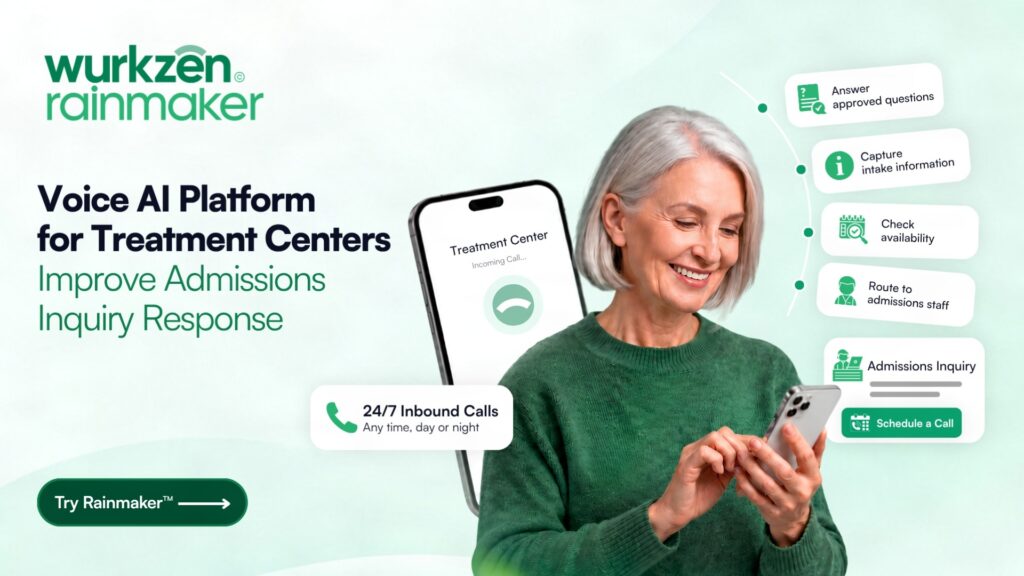
A voice AI platform for treatment centers can provide an immediate first response, gather basic non-clinical information, answer approved questions, route appropriate calls, and connect qualified inquiries with admissions staff.
The goal is not to replace clinical or admissions professionals. It is to make sure people who reach out are not left waiting while staff are unavailable or handling another call.
Key Takeaways
Voice AI can give treatment centers continuous coverage for inbound admissions inquiries.
An AI admissions assistant can handle approved questions and collect basic information before human staff take over.
AI intake workflows should focus on administrative and admissions tasks, not clinical diagnosis or treatment decisions.
High-risk, sensitive, or complex conversations should have clear escalation paths to trained staff.
Treatment centers need to evaluate voice AI vendors for HIPAA responsibilities, data handling, security, and business associate requirements where applicable.
The best workflow connects the first call with admissions follow-up, scheduling, CRM activity, and human handoff.
Why Admissions Inquiry Response Matters for Treatment Centers
Treatment inquiries are different from ordinary sales leads.
A caller may be looking for information about detox, residential treatment, outpatient care, mental health services, or another program. They may also be calling on behalf of a family member who needs help.
That makes the first interaction especially important.
A caller should be able to reach an appropriate response without having to understand the center’s internal staffing schedule.
For treatment centers, improving response does not mean turning an admissions inquiry into a sales script. It means creating a reliable path from the first call to the appropriate human or operational next step.
What Is a Voice AI Platform for Treatment Centers?
A voice AI platform for treatment centers uses AI to handle defined phone conversations and connect them to admissions workflows.
Depending on how the system is configured, it can:
Answer inbound calls
Provide approved program information
Capture basic caller information
Identify the reason for the inquiry
Collect administrative intake details
Check scheduling or availability workflows
Route calls to admissions staff
Transfer urgent or sensitive conversations
Trigger follow-up
Record relevant activity in connected systems
The scope should be clearly defined.
An AI system can support admissions operations without being responsible for clinical assessment, diagnosis, medical advice, or decisions about the appropriate level of care.
What Is an AI Admissions Assistant?
An AI admissions assistant is a voice or conversational AI system designed to support the administrative side of the admissions process.
Its role can include answering common questions, collecting information, identifying what the caller needs, and connecting the caller with the appropriate member of the admissions team.
For example, a caller may want to know:
What programs are available?
Does the center offer a particular level of care?
How can I speak with admissions?
What information is needed to start the admissions process?
What are the next steps?
Can I schedule a conversation with the admissions team?
The AI should answer only within the information and workflows approved by the treatment center.
When a question moves beyond that scope, the system should escalate rather than improvise.
How Can Voice AI Improve Admissions Response?
A practical treatment-center workflow can look like this:
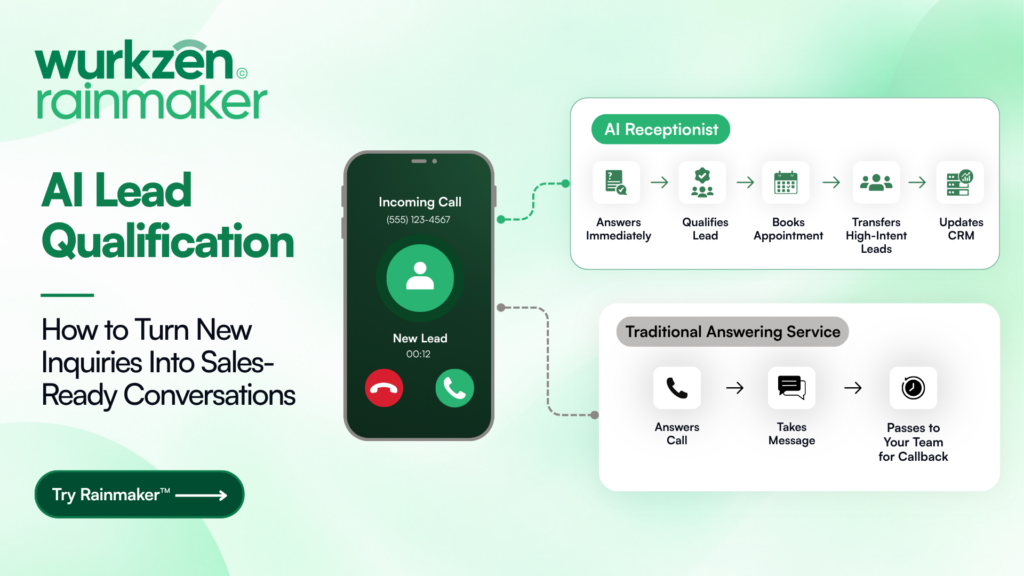
Inbound call → immediate answer → identify inquiry → approved information → administrative intake → escalation or handoff → admissions follow-up
Each stage should have clear boundaries.
Step 1: Answer the call
The first improvement is simple: give the caller a response.
A voice AI platform can provide coverage when admissions staff are already on another call, during evenings, on weekends, or during other periods when the team has limited capacity.
The AI should identify itself appropriately and make it clear that it is an automated assistant when required by the organization’s policies.
Step 2: Understand why the person is calling
The AI can identify the general reason for the inquiry.
For example, the caller may be asking about program availability, insurance or payment information, admissions steps, scheduling, or how to reach a specific department.
This gives the system enough context to determine what should happen next.
Step 3: Provide approved information
Treatment centers can define the information the AI is permitted to provide.
That may include general information about programs, hours, locations, admissions procedures, or other operational details.
The AI should not invent information when it does not know the answer.
If the requested information is outside the approved knowledge or workflow, the appropriate action is escalation.
Step 4: Collect administrative information
An AI intake assistant can collect basic information needed to move an inquiry forward.
Depending on the center’s workflow, this might include:
Name
Contact information
Reason for calling
Preferred callback time
Program of interest
General scheduling information
Other approved administrative details
The treatment center should determine exactly what information the AI is authorized to collect and retain.
Step 5: Route the inquiry
Not every caller should follow the same path.
A caller asking about program hours may need information.
A prospective patient who wants to begin an admissions conversation may need an admissions specialist.
A caller presenting an urgent or potentially dangerous situation may require immediate escalation according to the center’s established protocols.
The AI should support those distinctions without attempting to make clinical judgments it is not qualified or authorized to make.
What Should an AI Intake Assistant Not Do?
This is one of the most important parts of implementing AI in treatment settings.
An AI intake assistant should not be treated as a substitute for licensed clinical professionals.
Unless specifically designed, validated, and authorized for a particular clinical function, it should not:
Diagnose a condition
Determine a clinical level of care
Provide medical advice
Make treatment recommendations
Assess suicide or overdose risk on its own
Determine whether someone requires emergency medical attention
Make clinical eligibility decisions
Replace a trained admissions or clinical professional in sensitive situations
The workflow should instead define when the AI stops and a qualified human takes over.
How Should Treatment Centers Handle Urgent Calls?
Urgent situations require special handling.
If a caller indicates an immediate danger, medical emergency, overdose, severe withdrawal, suicidal thoughts, or another crisis situation, the system should follow the treatment center’s approved emergency and escalation protocol.
That protocol should be developed and reviewed by appropriately qualified professionals.
The AI should not attempt to improvise a clinical response.
For treatment centers, this is an area where workflow design, staff training, and clinical review matter as much as the technology.
How Can Voice AI Support After-Hours Admissions?
Admissions teams may not have the same staffing levels at every hour of the day.
A voice AI platform can provide an initial response outside normal operating hours while collecting appropriate information and creating a path for follow-up.
For example:
After-hours call → AI answers → approved information → basic administrative intake → admissions alert → staff follow-up
This does not mean the AI becomes the admissions department.
It means the inquiry has a defined path instead of simply reaching voicemail.
How Does AI Admissions Automation Work With Human Staff?
The strongest workflow is usually collaborative.
AI handles repeatable communication and administrative steps. Human staff handle conversations that require judgment, empathy, clinical knowledge, admissions expertise, or exception handling.
For example:
Stage | AI Role | Human Role |
|---|---|---|
First call | Answer and identify inquiry | Take over when needed |
General questions | Provide approved information | Handle complex questions |
Basic intake | Collect approved administrative details | Review information |
Scheduling | Support scheduling workflow | Handle exceptions |
Sensitive conversation | Escalate | Take over |
Admissions discussion | Route or transfer | Conduct the conversation |
Follow-up | Trigger approved outreach | Handle substantive follow-up |
This division keeps the automation useful without asking it to perform work it should not perform.
How Can Voice AI Reduce Admissions Team Workload?
Admissions staff often have to manage several repetitive tasks while also trying to stay available for people who need direct assistance.
An AI system can reduce some of that workload by handling defined first-line interactions.
For example, instead of an admissions coordinator answering the same operational question repeatedly, the AI can provide the approved answer and reserve human attention for conversations that require it.
Likewise, an inquiry that arrives after hours can be captured and routed into the appropriate follow-up workflow instead of being lost in voicemail.
The objective is not fewer human conversations. It is better use of human attention.
How Should Treatment Centers Design an AI Intake Workflow?
Start with the existing admissions process.
Step 1: Map the current call flow
Document what happens when someone calls today.
Identify:
Who answers
What questions are asked
Which calls are transferred
What information is collected
Where information is recorded
What happens after hours
How follow-up is triggered
Step 2: Separate administrative and clinical tasks
This distinction should be explicit.
List the tasks that can safely be automated and the tasks that require trained human involvement.
Clinical and crisis-related workflows should receive appropriate professional review.
Step 3: Create approved answers
Build a controlled knowledge base for common operational questions.
Avoid allowing the AI to freely generate answers about services, clinical care, pricing, insurance, or availability when accuracy matters.
Step 4: Define escalation rules
Create specific conditions for human handoff.
These may include:
Clinical questions
Crisis indicators
Requests for a clinician
Complex insurance questions
Complaints
Uncertainty
Questions outside the approved knowledge base
Caller requests for a human
Step 5: Connect the admissions workflow
The AI should not become another isolated system.
Relevant activity should flow into the appropriate CRM, admissions platform, or other system used by the center.
Step 6: Test real scenarios
Test common calls and edge cases before deployment.
Include after-hours calls, incorrect information, confused callers, sensitive questions, requests for humans, and situations that require immediate escalation.
What About HIPAA and AI Intake?
HIPAA considerations depend on what information the AI platform handles and what services the vendor provides.
The U.S. Department of Health and Human Services explains that a vendor can be a business associate when it creates, receives, maintains, or transmits protected health information on behalf of a covered entity. HHS specifically lists certain AI vendors that handle PHI, such as an AI chatbot used for services involving patient information, as examples of potential business associates.
If a treatment center uses a vendor that acts as a business associate, HHS says the covered entity generally needs a business associate agreement that establishes permitted uses and safeguards for PHI.
This means a treatment center should not assume that a voice AI platform is appropriate for HIPAA-sensitive workflows simply because it uses encryption or advertises itself as healthcare-ready.
The center should evaluate the vendor’s data handling, storage, access controls, security practices, contractual terms, and BAA requirements with its privacy or compliance team.
Healthcare compliance note: HIPAA requirements can depend on the specific workflow, parties involved, and information being handled. Treatment centers should have qualified privacy and compliance professionals review the implementation before using AI with PHI.
Should Treatment Centers Record AI Calls?
Call recording can provide useful operational information, including quality review, training, and documentation.
But recording and retaining conversations involving sensitive health information can create additional privacy and compliance considerations.
HHS notes that the HIPAA Privacy Rule does not require covered entities to record or digitally record oral communications. If recordings are maintained and used to make decisions about an individual, they may also become part of a designated record set.
Before enabling recording or transcription, treatment centers should determine:
Whether recording is necessary
What information will be retained
Where recordings and transcripts are stored
Who can access them
How long they are retained
Whether the vendor relationship requires a BAA
What state-specific recording requirements apply
This should receive appropriate privacy and legal review.
How Can AI Support Admissions Follow-Up?
The first call is only one part of the admissions journey.
If someone is not ready to speak with admissions immediately, the center may need an appropriate follow-up process.
A voice AI platform can support operational follow-up by:
Triggering a callback task
Sending an approved message
Attempting a scheduled callback
Alerting admissions staff
Recording the outcome
Updating the contact record
Treatment centers should distinguish between permissible operational communications and marketing activity. HIPAA places restrictions on certain uses and disclosures of PHI for marketing, and HHS notes that communications involving PHI should be handled according to applicable HIPAA requirements.
Any outreach workflow involving PHI should be reviewed for HIPAA and applicable state requirements before deployment.
How Rainmaker Can Support Treatment Center Admissions
Rainmaker can be used as a voice AI layer for defined admissions and inquiry workflows.
For a treatment center, the workflow could begin with an inbound inquiry:
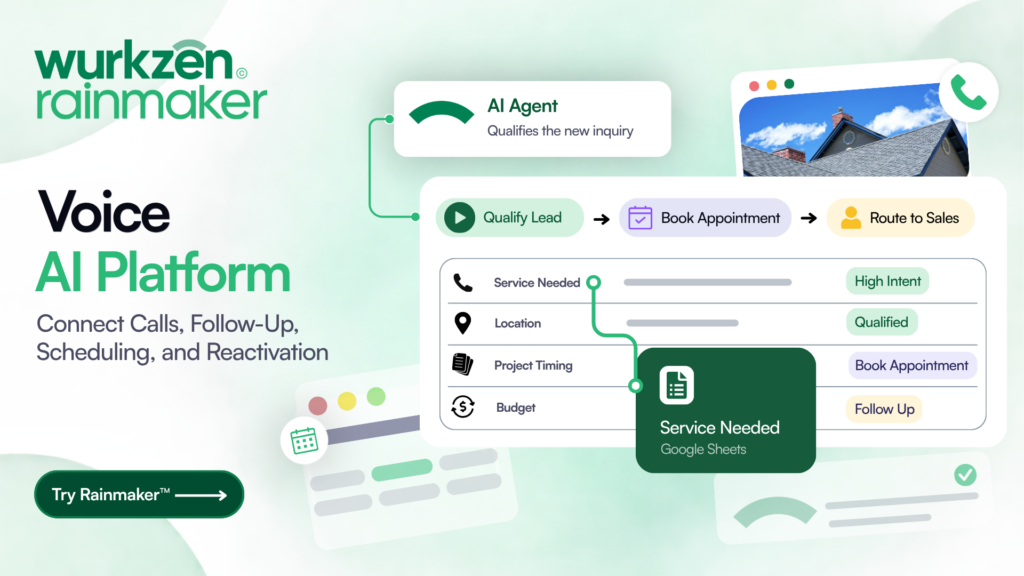
Call arrives → AI answers → identifies the inquiry → provides approved information → captures approved administrative details → routes to admissions → records activity → triggers follow-up
The Qualifier can support inbound lead qualification and routing, while the Receptionist can provide phone coverage and handle approved questions and scheduling workflows.
The system can also provide real-time alerts through channels such as SMS, email, Slack, or in-app notifications, allowing staff to know when a conversation requires attention.
For treatment centers, the configuration matters more than simply turning on an AI agent. The workflow should be built around the center’s admissions process, approved information, escalation rules, privacy requirements, and human handoffs.
What Should Treatment Centers Measure?
The right metrics should focus on access, responsiveness, operational efficiency, and admissions outcomes.
Metric | What It Tells You |
|---|---|
Answer rate | How many inquiries receive an immediate response |
Response time | How quickly callers reach the first point of contact |
After-hours coverage | How many inquiries receive a response outside staffed hours |
Human handoff rate | How often AI routes conversations to staff |
Inquiry capture rate | How many inquiries result in usable contact information |
Follow-up completion | How many inquiries receive the next required action |
Scheduling rate | How many appropriate inquiries reach a scheduled next step |
Abandonment rate | Where callers leave the process |
Admissions conversion | How many appropriate inquiries progress through admissions |
Do not optimize solely for automation volume.
A treatment center should prioritize accurate information, appropriate escalation, privacy, and a respectful caller experience.
Common Mistakes With AI Admissions Automation
Treating admissions like ordinary sales
A treatment inquiry can involve highly sensitive circumstances.
The workflow should use a different standard for accuracy, privacy, and escalation.
Letting AI answer questions it cannot verify
If the AI does not have reliable information, it should not guess.
A human handoff is better than an incorrect answer about treatment services or availability.
Asking for too much information
Collect only what the workflow actually requires.
Unnecessary collection of sensitive information increases complexity and privacy risk.
Failing to define crisis escalation
Every treatment center using AI for admissions should have clear rules for situations that require immediate human intervention.
Those rules should be developed with appropriate clinical and operational input.
Assuming HIPAA is just a checkbox
HIPAA compliance is not established simply by selecting a healthcare-oriented vendor.
Review the actual data flow, vendor role, contracts, safeguards, retention, access, and workflows.
Removing humans from the process
AI should make trained staff more available for conversations that require human judgment and empathy.
It should not become a barrier between someone seeking help and the people equipped to provide it.
A Practical Voice AI Workflow for Treatment Centers
A conservative implementation can start with a narrow scope.
1. Inbound inquiry arrives
The voice AI answers when the designated admissions line is unavailable or when the workflow calls for automated coverage.
2. Caller is identified
The AI asks why the person is calling and determines the appropriate operational path.
3. Approved information is provided
The system answers only within the center’s approved knowledge base.
4. Administrative information is collected
The AI gathers only the information approved for automated intake.
5. Escalation rules are checked
Sensitive, urgent, clinical, or uncertain situations are routed to trained staff according to the center’s protocol.
6. Admissions staff take over
The human receives the available context and continues the conversation.
7. Activity is recorded
Relevant information is documented in the appropriate system.
8. Follow-up is triggered
If additional contact is needed, the system supports the approved follow-up workflow.
Frequently Asked Questions
It is an AI-powered voice system configured to support treatment-center phone workflows such as admissions inquiries, approved information requests, administrative intake, routing, scheduling, and follow-up.
AI can support defined administrative and admissions tasks, such as answering approved questions, collecting basic information, and routing callers. It should not replace qualified professionals for clinical assessment, crisis response, diagnosis, or treatment decisions.
Yes. Voice AI can provide an initial response outside normal admissions hours, capture appropriate information, and route or alert staff according to the center's workflow.
That depends on the specific vendor, configuration, data flows, and contractual relationship. If a vendor acts as a business associate and handles PHI on behalf of a covered entity, HIPAA business associate requirements may apply. Treatment centers should have qualified privacy and compliance professionals review the implementation.
It can automate parts of the admissions coordinator's workload, but it should not be treated as a replacement for trained staff in complex, sensitive, clinical, or crisis-related situations.